
Bone augmentation

Bone Grafting for Dental Implants in Clapton, Hackney

What happens if you have lost teeth and want to replace them with dental implants, but don't have enough healthy natural bone to support them? The answer might be a bone graft.

A bone graft is one of several techniques used to rebuild bone, restore your natural jawline and provide a solid, sturdy foundation for implant-supported teeth.

77 Upper Clapton Rd, London, E5 9BU Mon–Fri 9am–6pm · Sat 9am–3pm
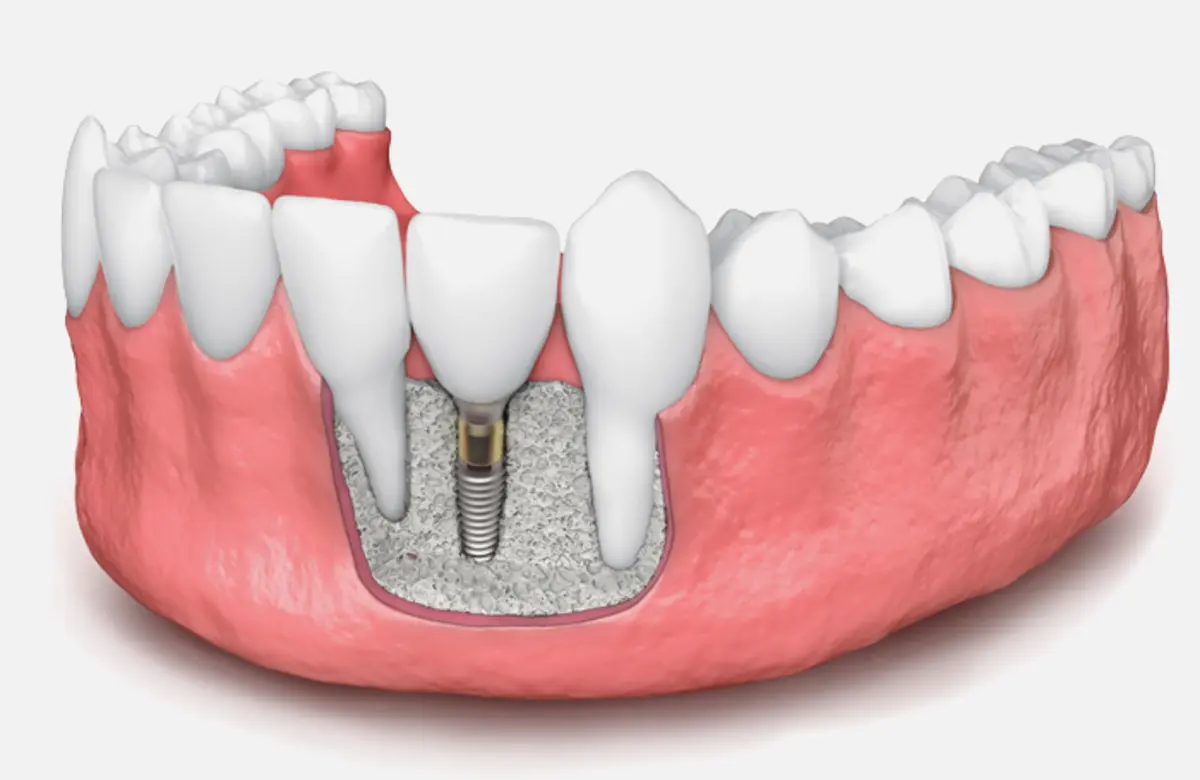
Dental implant diagram showing bone grafting and implant placement in the jaw

Before implant surgery

Why bone matters for dental implants

Before you have dental implants surgically inserted, your dentist will examine your jaw to ensure your mouth can support them. Most people are suitable for dental implants, but some don't have enough healthy bone. This must be addressed first — typically with a dental bone graft procedure — before implants can be placed.

Natural bone insufficiency can be caused by gum disease, tooth development defects, injury to the face after trauma, and deterioration of the empty spaces in your mouth after the loss or removal of teeth.

Causes

What causes a lack of healthy bone?

Gum disease

Tooth development defects

Long-term denture use

A past injury or trauma to the face

Teeth removal where the space is left untreated

Dental procedures where efforts were not made to restore the bone

What is bone augmentation?

Bone augmentation is the process of rebuilding bone. It restores the jawline and smile and provides a solid foundation onto which dental implants can be attached. Many different procedures can be used to augment bone, depending on the specific condition and needs of the patient — the most common is a bone graft.

What to expect from a bone graft

A tooth bone graft is a safe and highly successful procedure. Your dentist will take a small amount of bone from another location and attach it to the jaw. This is done in the practice using an anaesthetic, and as it heals the new sections of bone bond to the old, making it stronger and better able to support an implant. After grafting, your mouth must heal entirely before further procedures — which can take anywhere from a few weeks to 2–3 months.

Options

Other bone augmentation procedures

Sinus lift

Increases the amount of bone in the upper jaw below the sinus so implants can be placed.

Ridge expansion

Widens the jaw so implants can fit properly.

Alveolar ridge preservation

Reduces bone loss after an extraction.

Distraction osteogenesis

Makes a short bone into a longer one by separating the bone and encouraging new bone to grow in the space.

Don't let bone loss affect your smile

Receive professional care here in Upper Clapton.

Book Now

Ask about bone grafting

Been told you don't have enough bone for implants? Book a consultation and CBCT assessment with our Clapton implant team.

020 8806 0106 · Mon–Fri 9am–6pm
Ardent Smile Clinic, 77 Upper Clapton Rd, London, E5 9BU
Your details are confidential · No spam

Request an appointment

🔒 Your details are confidential. We'll call you within 24 hours.